

Eco & Economical Winters: flexible home design
valley series
Open fires, woolly jumpers, Ugg boots, hearty soups and comforting puddings – there’s a lot to love about the Australian climate in Winter. As we tune into seasonal change, the cooler weather encourages us to get cosy and spend more time indoors. At the same time, the current cost of living and energy prices are making us think twice before we turn up that heating.
Sure, putting on another jumper is an environmentally friendly way of dealing with the cold but if we want to reduce our energy bills, the long term goal needs to be an energy-efficient home. For those looking to build a new home, passive home design is key to reduce cost of living expenses. Read on to find out more…
What is passive home design and how can it be applied to my home design?
In a nutshell, passive home design reduces or eliminates the need for additional heating or cooling. Considering that approximately 40% of household energy is used for heating and cooling it’s definitely advantageous to understand and utilise these principles, especially when energy prices are painfully high.
Passive home design principles include: design for climate, orientation, passive heating, passive cooling, thermal mass, ventilation and airtightness, shading and insulation. The more effectively these principles are factored into your new house design, the more you can guarantee yourself an
Design for climate means that your home is designed to keep you at a comfortable temperature throughout the year, based on where you live. Australia has eight climate zones, defined by the National Construction Code (NCC). Each climate zone has different design and construction requirements. The Newcastle and Maitland region is located within Zone 5: Warm temperate. The main aims in this zone are to reduce the need for cooling in summer and heating in winter.
One of the best ways to achieve this is through orientation. By positioning your house on your block so that the living areas face north you can take advantage of the solar warmth especially in the winter. Capturing this heat is the next important step and this can be achieved by ensuring your house design includes a thermal mass to absorb that winter sun. A polished concrete floor or a tiled living area is ideal for retaining that heat which can then be released after the sun has disappeared. So too, a brick or tiled outdoor entertainment area can also be used as a thermal mass releasing heat when you’re enjoying an evening al fresco meal.
Star rated windows and doors as well as effective insulation ensure airtightness because once you’ve effectively warmed your home, you want it to keep in the heat.
In the summer months you’ll be relying on effective use of cross ventilation and shade to cool your home which is where passive home design is also effective.
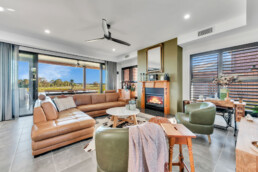
The perfect combination: mix & match home design incorporating passive design principles for an energy efficient home.
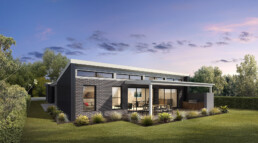
Affordable architecture offered through the Valley Series mix & match design provides practical and effective floor plans as well as the option to individualise the look. By encouraging customers to choose front and rear facades to match any floor plan, Maitland builder, Valley Homes, makes it possible to create architecturally inspired homes at affordable prices that are also energy efficient. These designs all include cross breezes for good ventilation and cooling in summer months.
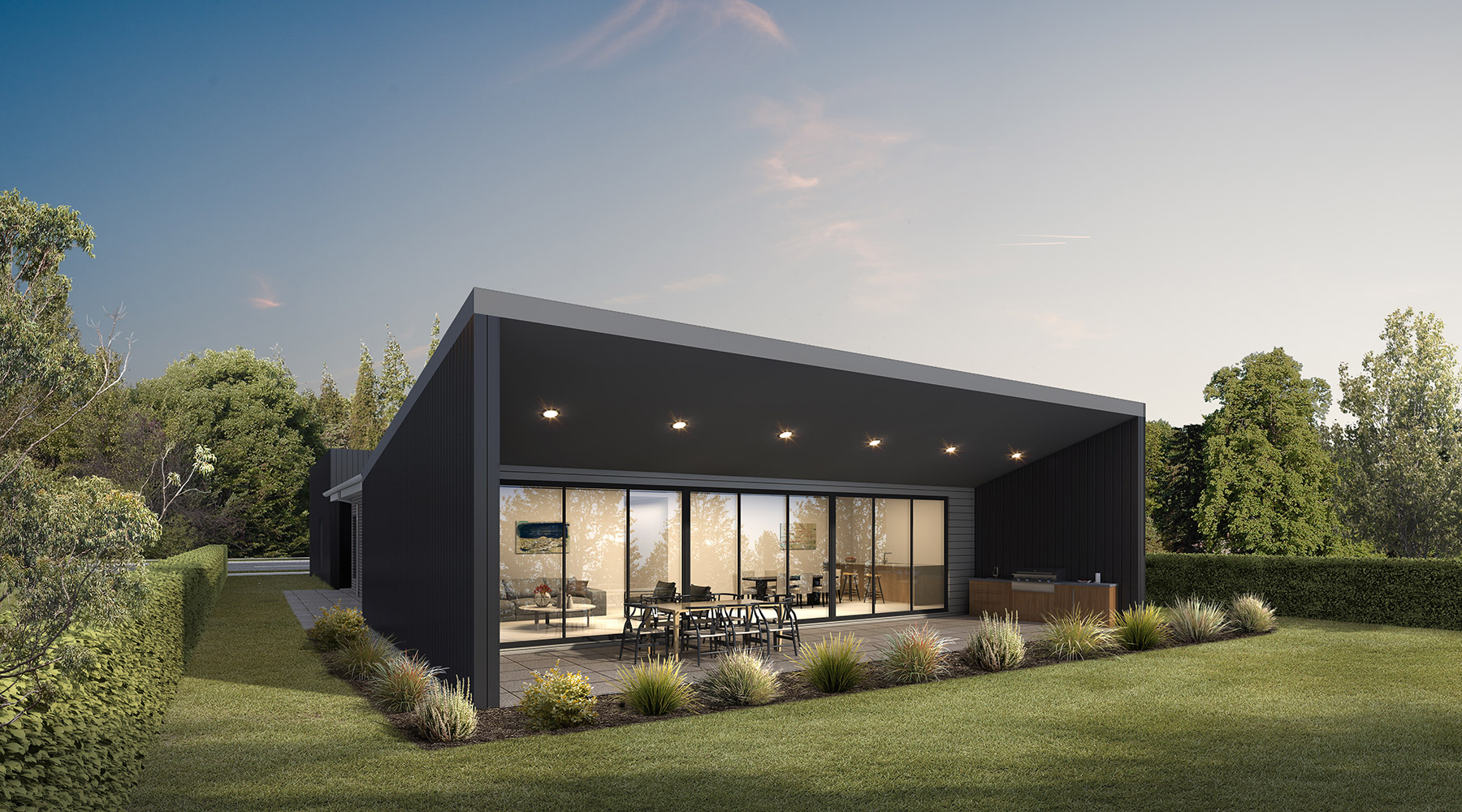
Whether you choose a skillion or gabled roof, all of the Valley Series’ rear facades include deep eaves which is an integral aspect to passive home design principles. When they are north facing, the shade of these deep eaves will provide protection from the harsh summer sun thereby reducing cooling bills.
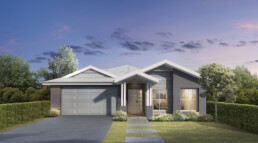
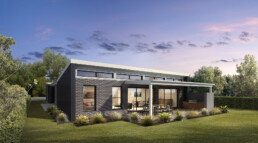
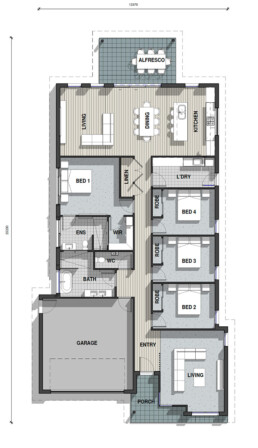
Floor plans to suit every lifestyle
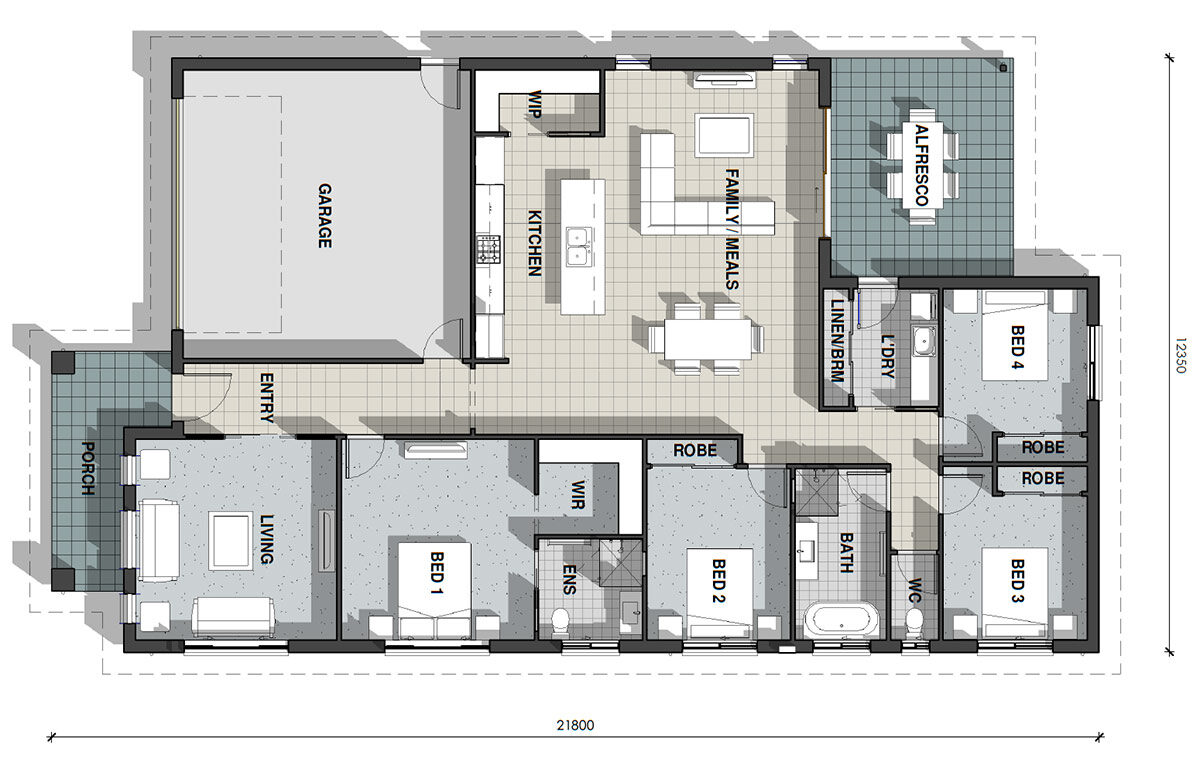
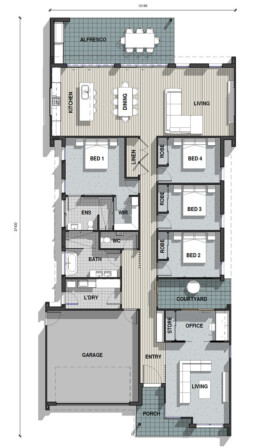
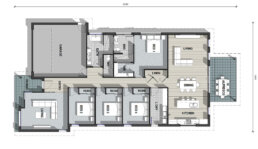
With six four bedroom, two bathroom floor plans to choose from, the Valley Series has something for every budget from ‘The Compact’ at a total of 253.50 m2 to ‘The Executive’ or ‘The Sanctuary’ both at 293.45 m2.
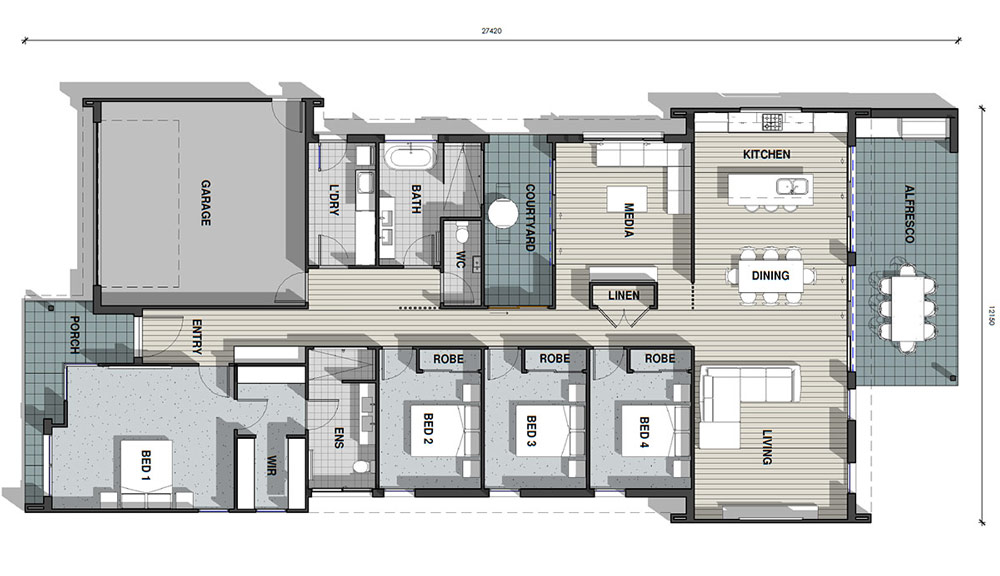
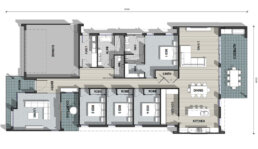
Each of the Valley Series floor plans offers particular design features to appeal to specific needs. In addition to the large alfresco entertainment area off the living room, ‘The Entertainer’ includes a separate media room opening out to a private courtyard ensuring there’s plenty of options for large gatherings.
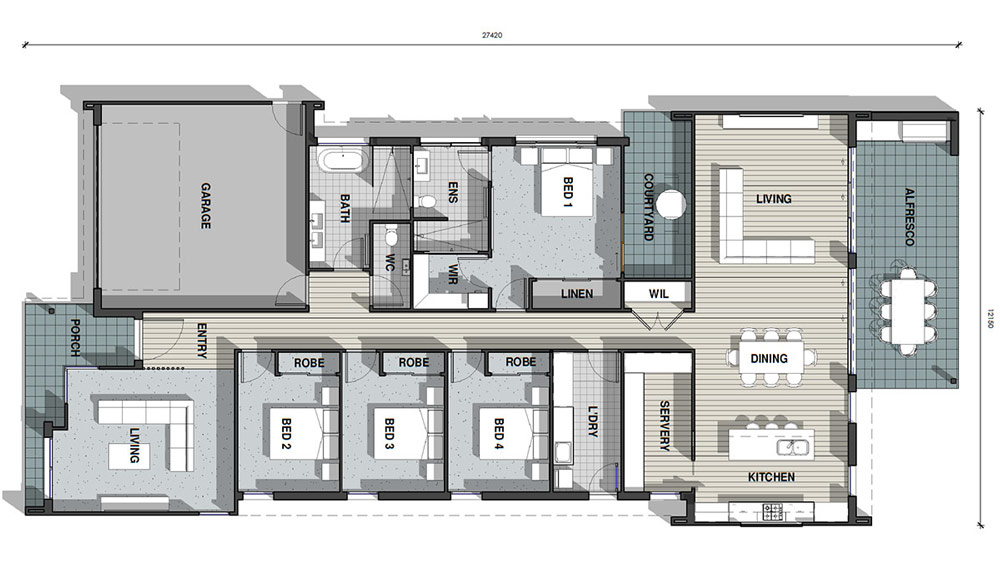
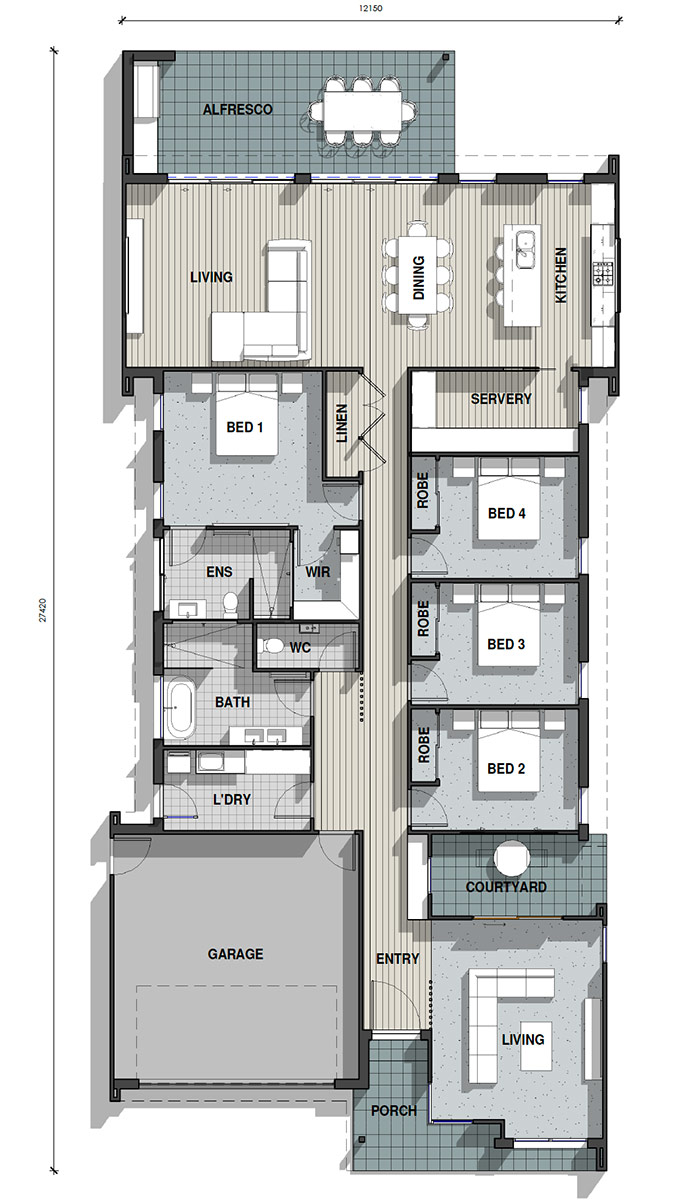
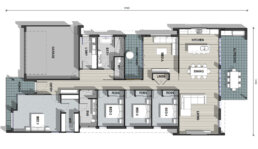
The Connoisseur caters for the amateur chef with a design that not only includes a generous sized kitchen with island bench and open planned dining area, but also a large kitchen servery. Perfect for sharing culinary creations. There’s a second living room and courtyard space for a more private al fresco experience.
Planning for sustainable Winter living
The Valley Series’ intelligent home designs mean you don’t have to compromise on architectural aesthetics for functionality and energy efficiency. If you’re looking for a sustainable builder who can offer Hunter Valley house designs that incorporate passive home design, call Valley Homes today to start planning your new energy-efficient home.

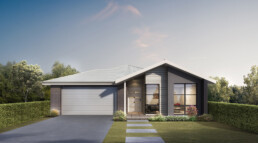
The ideal flexible home design: affordable, adaptable and sustainable
valley series
When it comes to great house design ask any architect or savvy house builder in the Hunter Valley for the three words most often spoken on the topic and they’ll tell you: affordable, adaptable and sustainable. With interest rates on the rise and the continued demand for eco-wise approaches to design and building practices, home builders are seeking out affordable architecture to deliver both practical and creative design solutions.
Design suited to the Australian Climate
The sustainable home builder is aware that effective architectural design must harness the best of the Australian climate as well as the specific challenges it presents. In a region that experiences an average of eight hours of sunlight a day, the Hunter Valley builder can take full advantage of that solar energy with the use of passive design principles. Effective design that incorporates sunlight in the winter months can contribute to reduction in heating costs.
Passive design principles factor in the orientation of the house on the block of land, making best use of the northern aspect. This can be particularly advantageous in winter months. Wherever the sun falls on a thermal mass, be it concrete or tiled flooring, the heat will be absorbed during the day and radiate that warmth long after the sun has disappeared.
Likewise, reducing the impact of the sun in the summer months through adequate shading with the use of deep eaves or verandah, will lessen the reliance on air-conditioning and its expense.
Quality insulation and glazing are also core to passive design principles in order to keep in the warmth in winter and cool in summer. To maintain a comfortable living environment, adequate airflow is also an important aspect of effective design.
Flexible home design that has it all!
Offering architecturally inspired designs at an affordable price, The Valley Series allows homeowners to tailor the best aspects of flexible home design to suit their needs. These Hunter Valley house designs are perfect for both the first time buyer or the investor, whether you’re looking for a modern or heritage styled home that includes favourite contemporary features. The secret of the Valley Series is the mix and match home design with a range of modern and heritage front and rear façades.

Heritage appeal
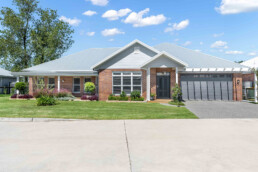
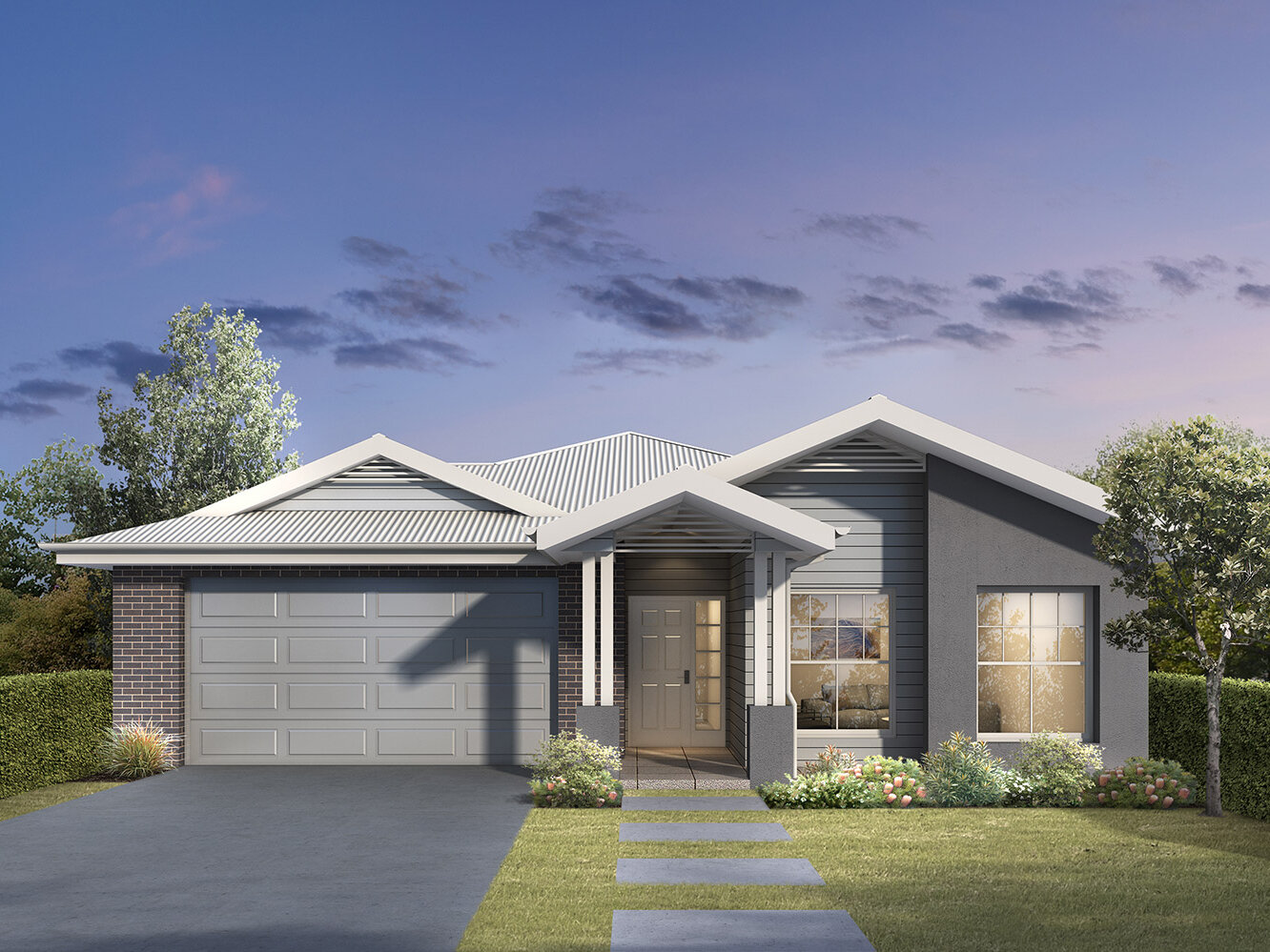
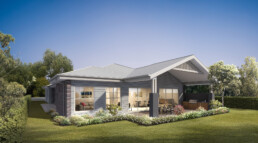
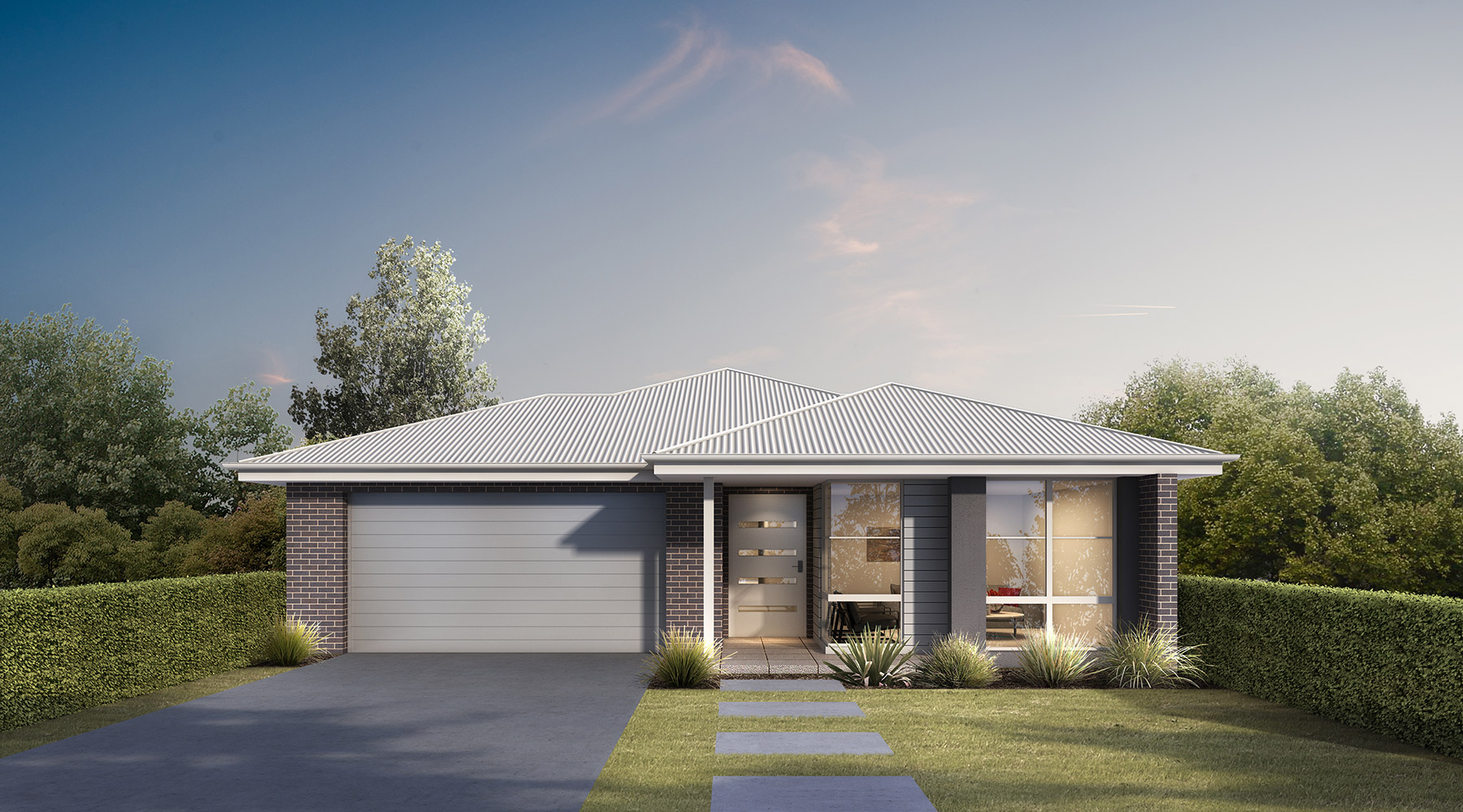
For some home owners the heritage style perfectly fits their vision of a classic Hunter Valley house design. The Valley Series has five pitched roof front and rear façades that would blend with the character of an older suburb or simply satisfy the desire for the Hamptons look.
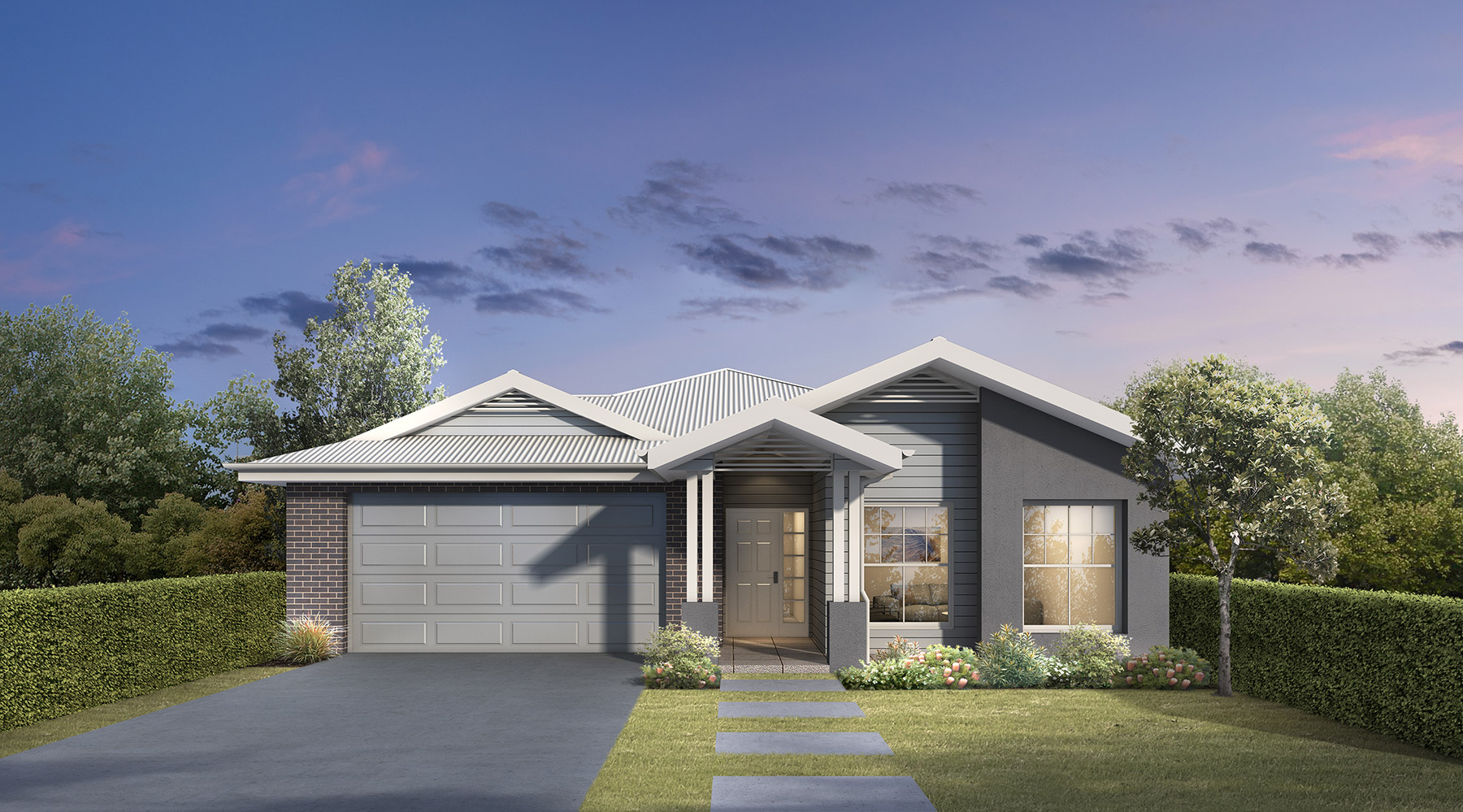
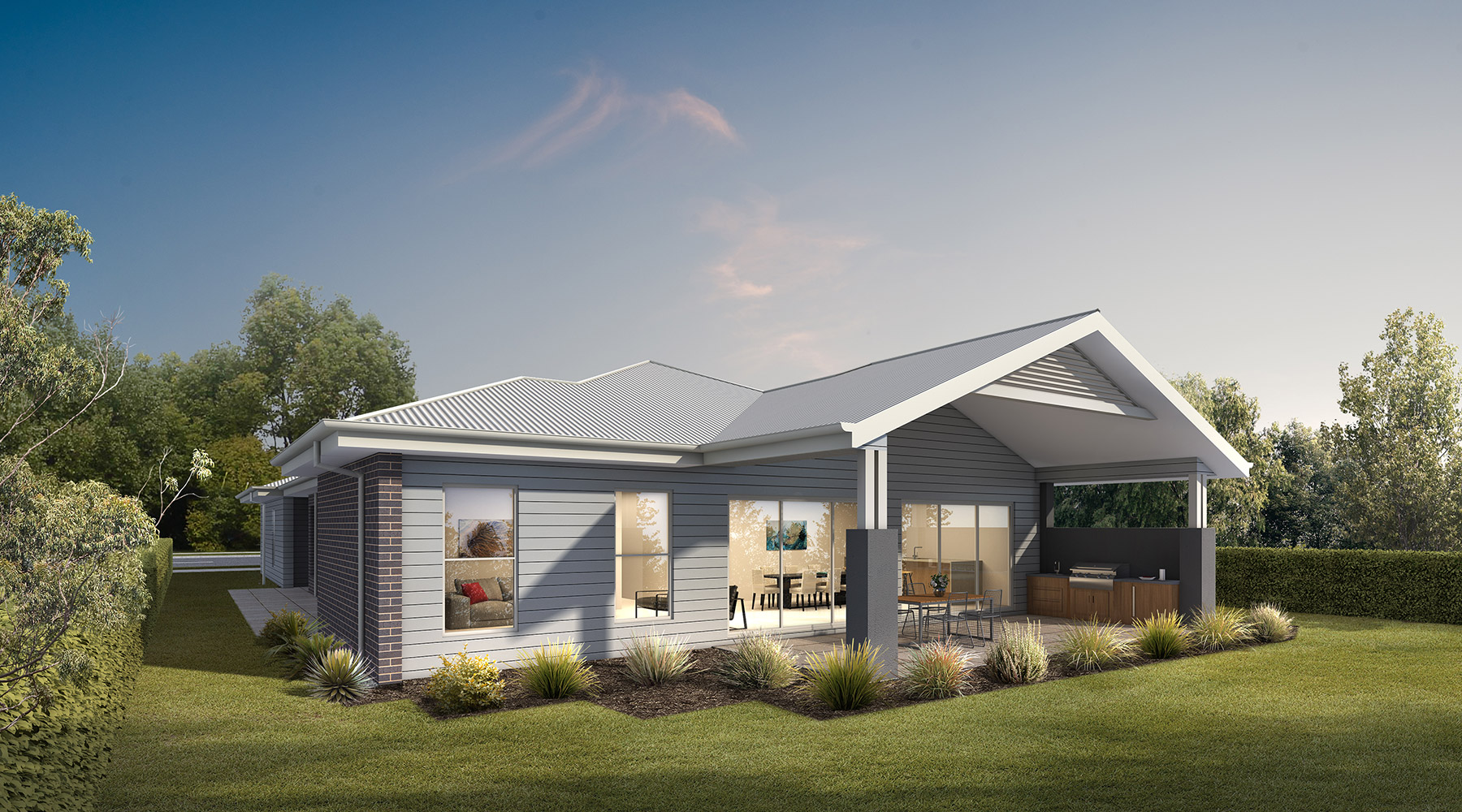
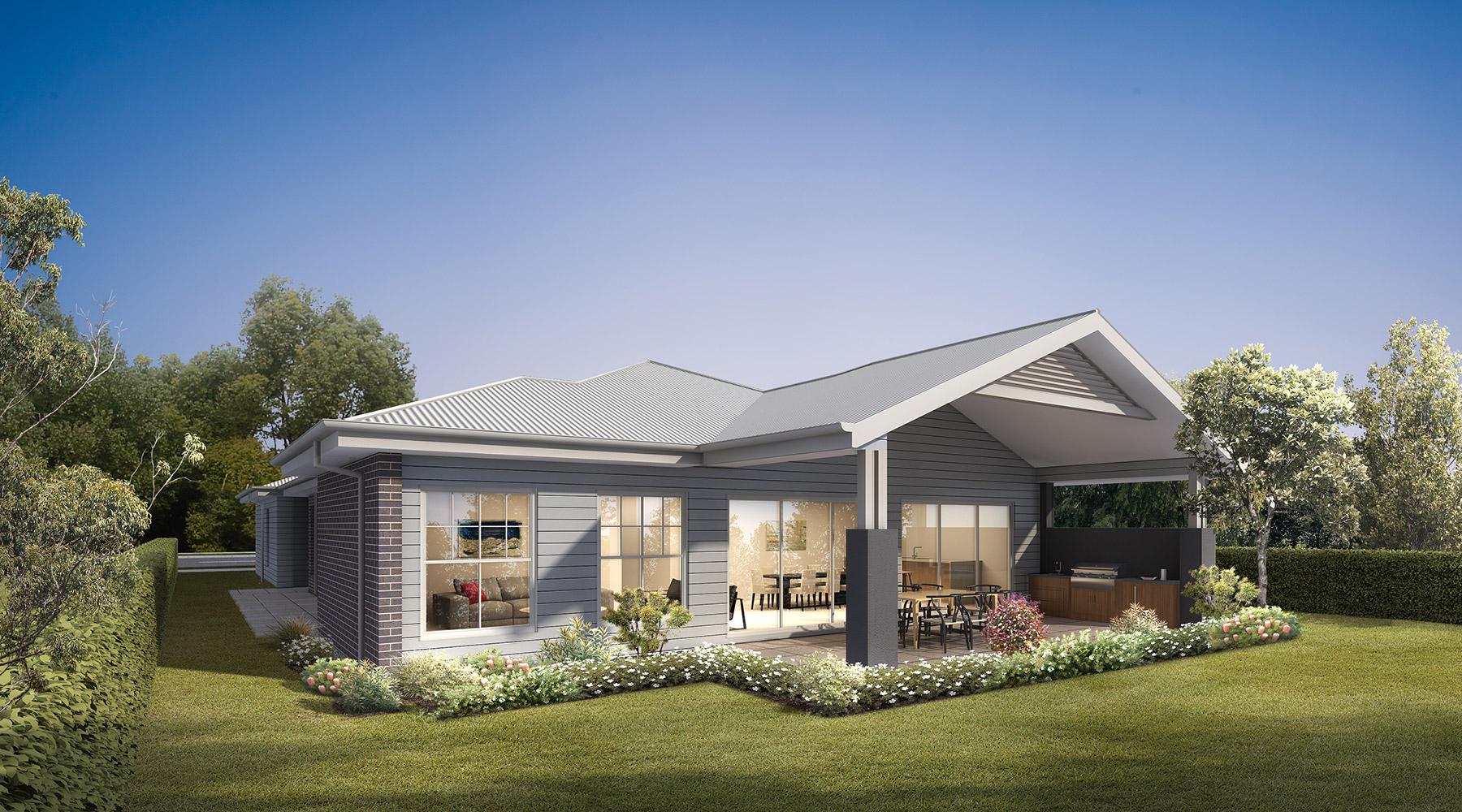
A popular destination for wealthy New Yorkers, The Hamptons district of Long Island in the USA, is the source of inspiration for this ever-popular style. Hamptons is all about indoor/outdoor living and features large windows that fill the home with light. With the Valley Series it’s possible to capture the classic Hamptons style by choosing a front and rear façade with a pitched roof veranda and weatherboard effect. Painting the fascia and timber posts white will finesse the look. It’s a timeless style that comes across as effortless and charming.
Modern lines
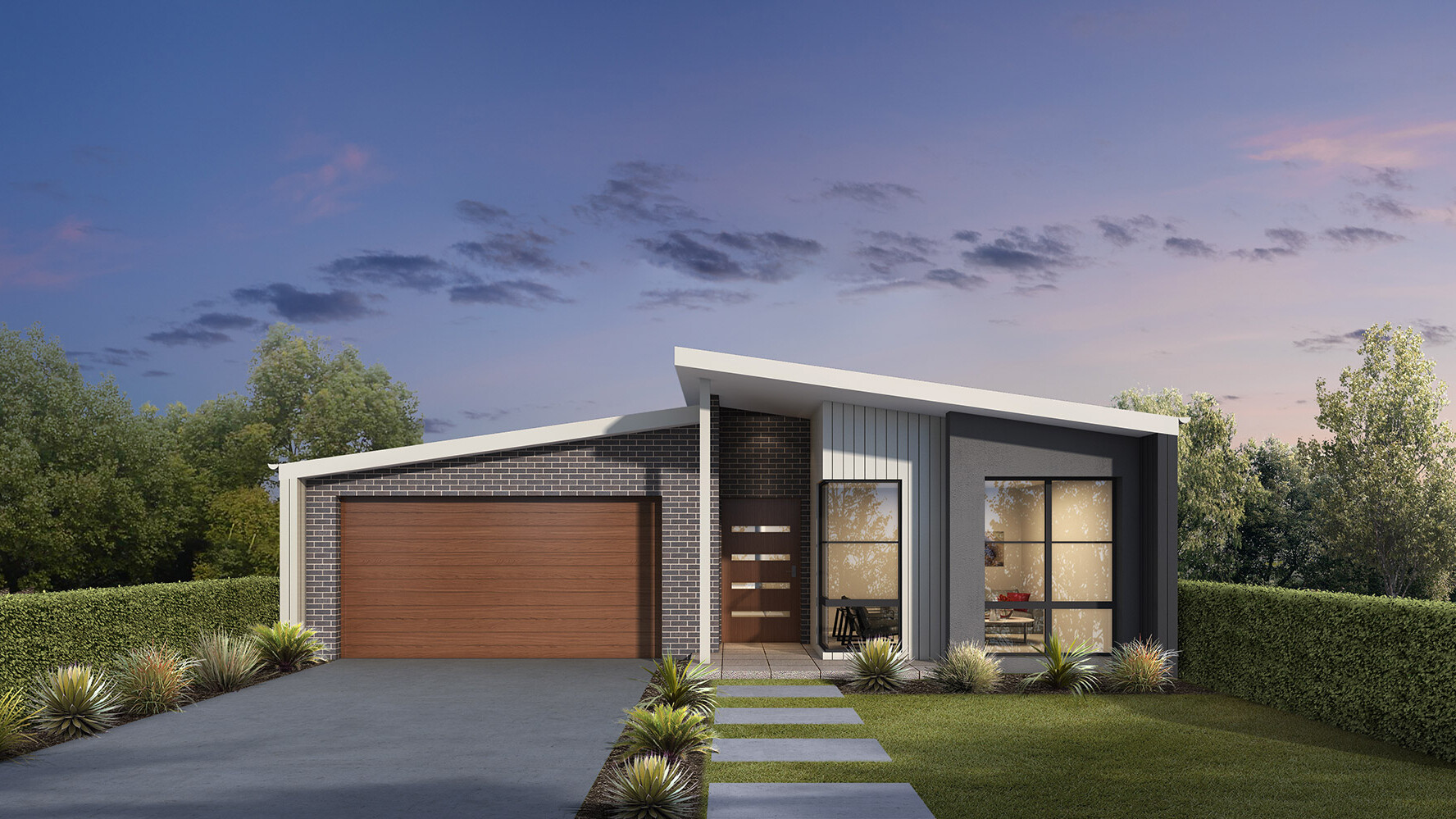
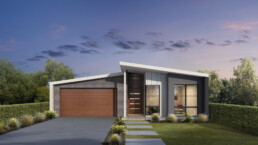
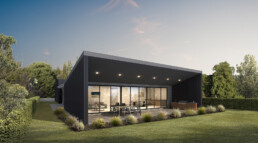
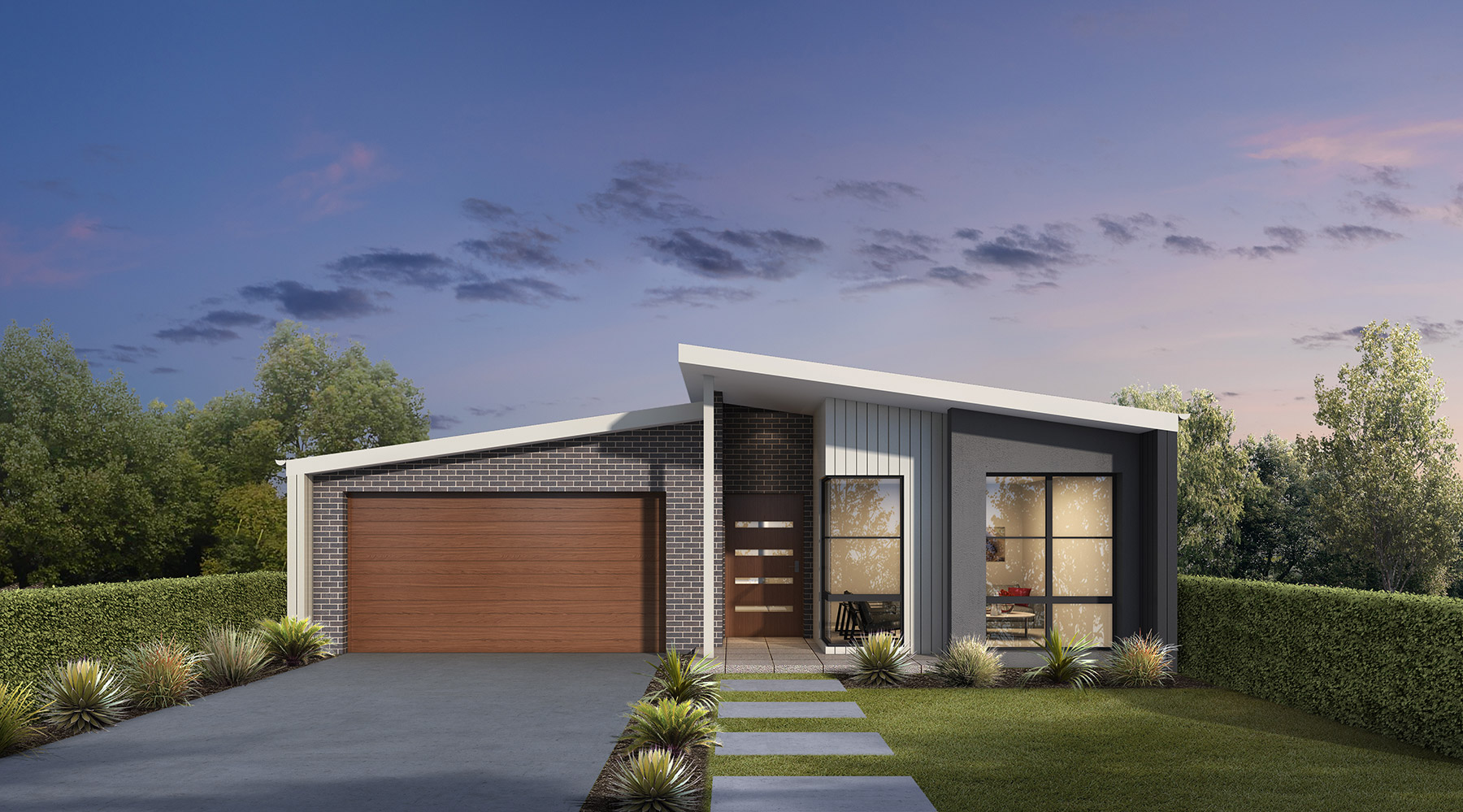
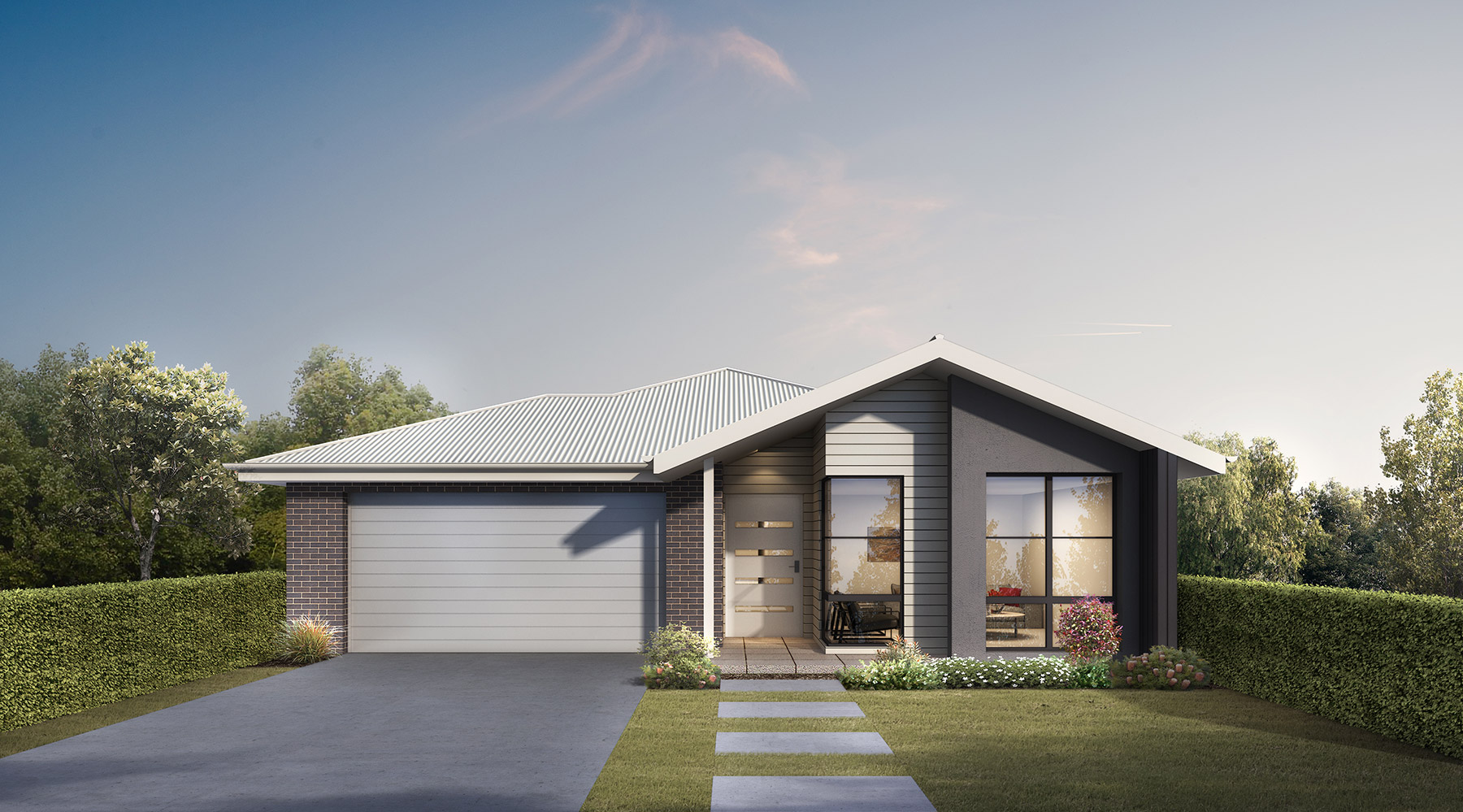
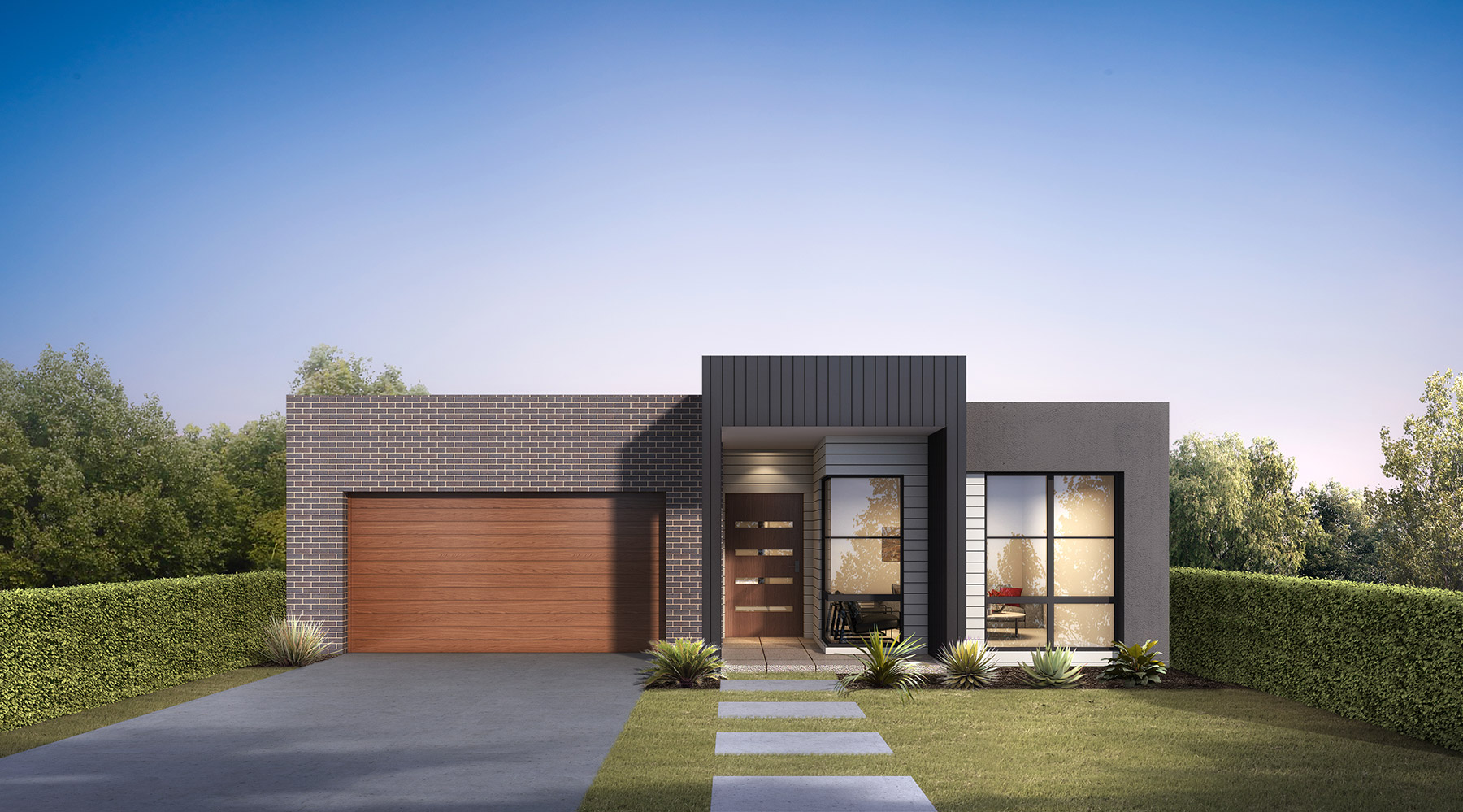
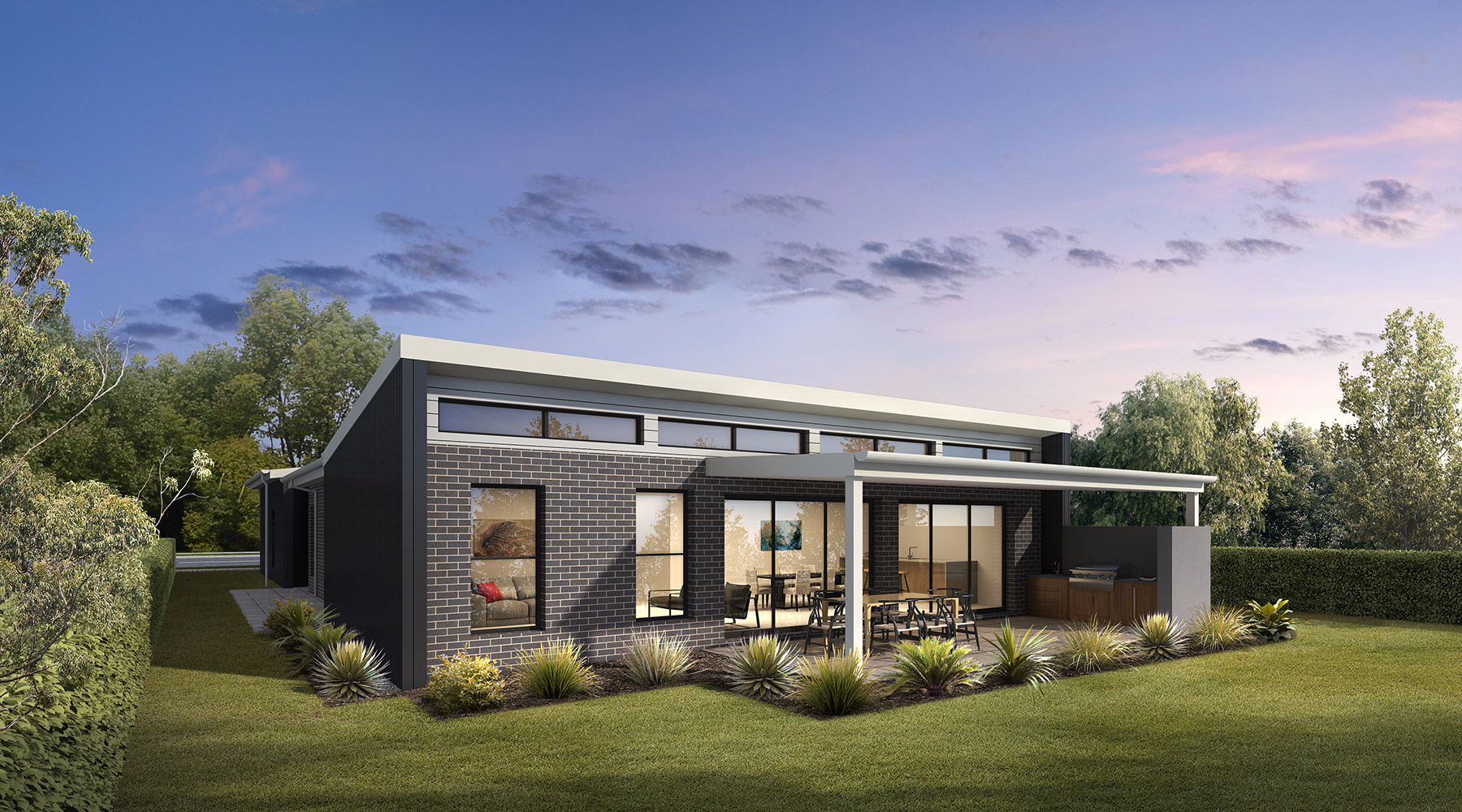
The Valley Series also offers contemporary designs with modern front and rear façades that include the skillion roof and covered outdoor area. These stylish designs provide a real contrast to the traditional pitched or gabled roofline. Some homeowners keen to install solar panels also have a preference for this style.
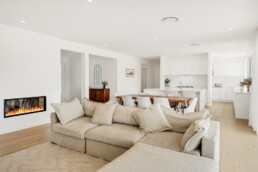
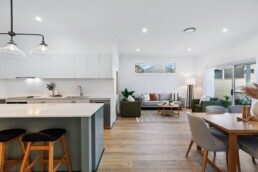
With all of the Valley Series floor plans you will find the best in modular home design including an open plan kitchen with generous living area utilising passive design principles.
There are a variety of layouts to satisfy every homeowner from ‘The Compact’, to fit the smaller block and budget to ‘The Connoisseur’ with its generous sized kitchen and servery while ‘The Executive’ is perfect for those looking to work from home.
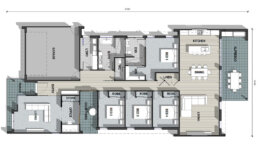
The biophilic design principles of bringing the outside in and incorporating nature inspired elements to contribute to health and well being have been applied to the Valley Series not only with use of natural light but also the inclusion of an alfresco area in each design. ‘The Sanctuary’ has the added bonus of private courtyard off the master bedroom, in which an abundance of plants could be cultivated to create a personal oasis of tranquility.
‘The Entertainer’ also has a private courtyard as well as a media room while ‘The Classic’ simply provides all you could want in a four bedroom home.
The house builder in the Hunter Valley to offer the complete service
Investors and buyers seeking affordable architecture that allow use of passive design principles suited to the Australian climate need look no further than the Valley Series. And who better to build it than Valley Homes, the Hunter Valley builder with over 50 years experience in the construction industry. We keep the business of homebuilding simple and guide you all the way from design to build.
Passive design principles: a win for you and the environment
valley series
Imagine you could build a new house, so well designed that it didn’t require much in the way of artificial heating or cooling thereby making it affordable to run and perfectly comfortable all year round. Sounds ideal, right? The cost to build a new home is a big enough outlay so reducing running costs would certainly be a bonus. Such an energy efficient home is not only possible but it’s encouraged with the use of passive design principles.
Passive design principles are about careful design and quality construction as well as working with the local climate. It’s ‘passive’ in that the building envelope does most of the work to maintain comfortable temperatures so there’s less reliance on air conditioners in the summer and heating units in the winter. This of course means cheaper power bills – and we all like that!
Passive design principles incorporate building features such as:
- orientation
- thermal mass
- insulation
- glazing
These work together to take advantage of natural sources of heating and cooling, such as sun and breezes, and to minimise unwanted heat gain and loss.
Let’s take a closer look at these features in relation to the Valley Series house designs.
Orientation
When you build a new house one of the most important decision is where it will be positioned on your block of land. Let’s be clear, aspect isn’t just about finding a good view. Good orientation can be achieved on almost any block of land, even small blocks, with careful design. In the southern hemisphere, making the most of that northern aspect is a key factor with passive design principles. The ideal is to optimize the orientation of the home for solar gain in winter with appropriate shading for summer.
Comfortable living
Valley Homes created the Valley Series to provide clients with the style of an architectural home, the flexibility of mix and match home design and the advantages of passive design principles.
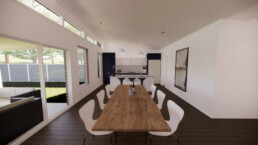
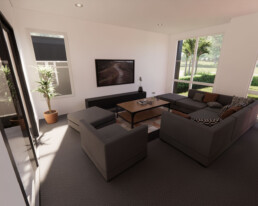
The six Valley Series floor plans all include generous living areas that create a sense of space and openness connecting to the alfresco area. If orientated to the north, these house designs also ensure passive solar gain for the rooms that most need it. Living areas and the kitchen are usually the most important locations for passive heating because they are used day and evening. Polished concrete or tiling across the floors can create a thermal mass to absorb the winter sun and continue radiating that heat once the sun has gone down.
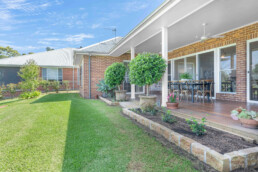
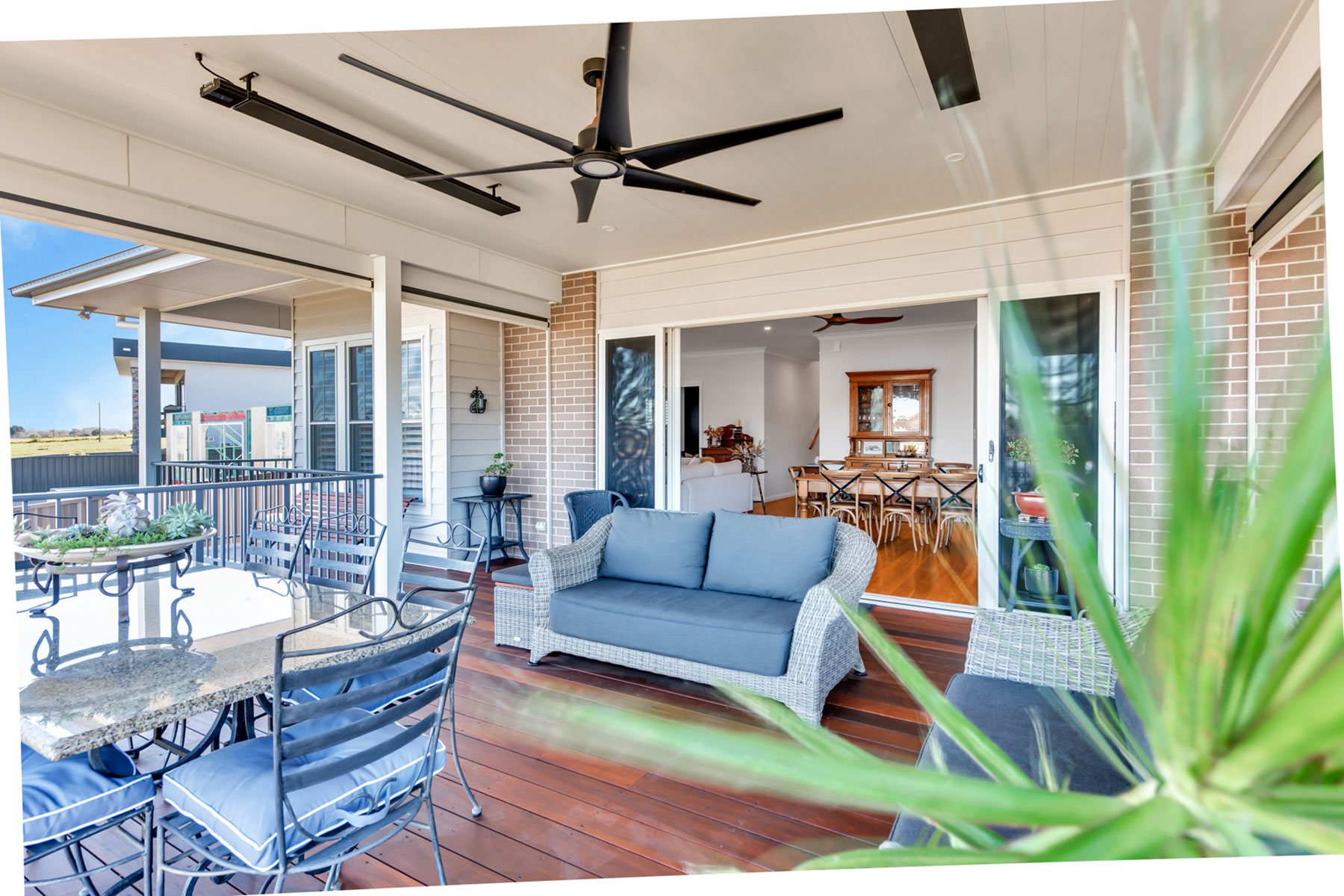
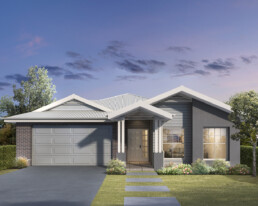
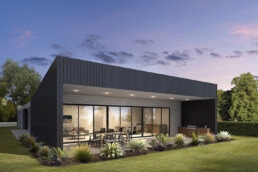
The Valley Series offers great flexibility with a variety of front and rear designs to choose from. The rear designs each have covered outdoor areas. By choosing a northern orientation, the deep verandahs create ample shade in the summer but allow the area to be bathed in the low-hanging winter sun so that outdoor entertaining can be enjoyed all year round. The Valley Series house designs are well suited to the climate of the Newcastle and Hunter Valley region.
Passive design principles also take advantage of variable cool breezes. In Newcastle and the Hunter Valley we all know what a difference it makes when a Southerly blows in after a hot Summer day. It’s a relief to feel that cool air blow through house, shifting the stale and oppressive heat of the day. With the Valley Series good ventilation is evident in each of the floor plans as the flow of air can be channeled through the house from the front to the back. Louvre windows can also be strategically incorporated into the house design to draw cool air through the home.
In contrast, it’s just as important to minimize unwelcome draughts in cooler months. Valley Homes uses only high quality doors and windows that meet the mandatory minimum specification ( AS 2047) which means they have been tested for maximum deflection under wind pressure, air leakage, and water penetration resistance. Top quality glazing and insulation contributes to an energy efficient home.
Climate matters
One of the key factors in applying passive design principles is understanding the local climate. Australia has eight main climate zones specified by the National Construction Code and it’s important to understand that different passive design strategies suit different climates. When you build a new house ensure it’s designed to suit your climate zone.
Choose a local builder that ‘gets it’
This is a great reason to choose a Newcastle builder like Valley Homes. Working in Newcastle and the Hunter Valley for over 50 years, we know the local climate and we’re aware of the ways in which it’s changing. We know that great architecture and passive design principles can make a huge difference to the quality of construction as well as quality of living. We also understand that when clients choose to build a new house they expect it to also be an energy efficient home. Valley Homes is the local home builder with the experience to meet all these needs and your expectations – contact us today to find out more.
INTRODUCING THE VALLEY SERIES
Introducing the Valley Series – flexible living floor plans and façades that employ passive design principles
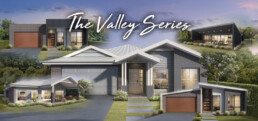
Recognising the desire for new and innovative designs that allow for every taste, we are very proud to announce the launch of The Valley Series – an exciting new range of exclusive flexible floor plans and façades that make it easy for you to build a new home.
The Valley Series showcases a winning formula capturing all the favourite contemporary features in a range of modern and heritage façades.
Choose an exterior that reflects your style
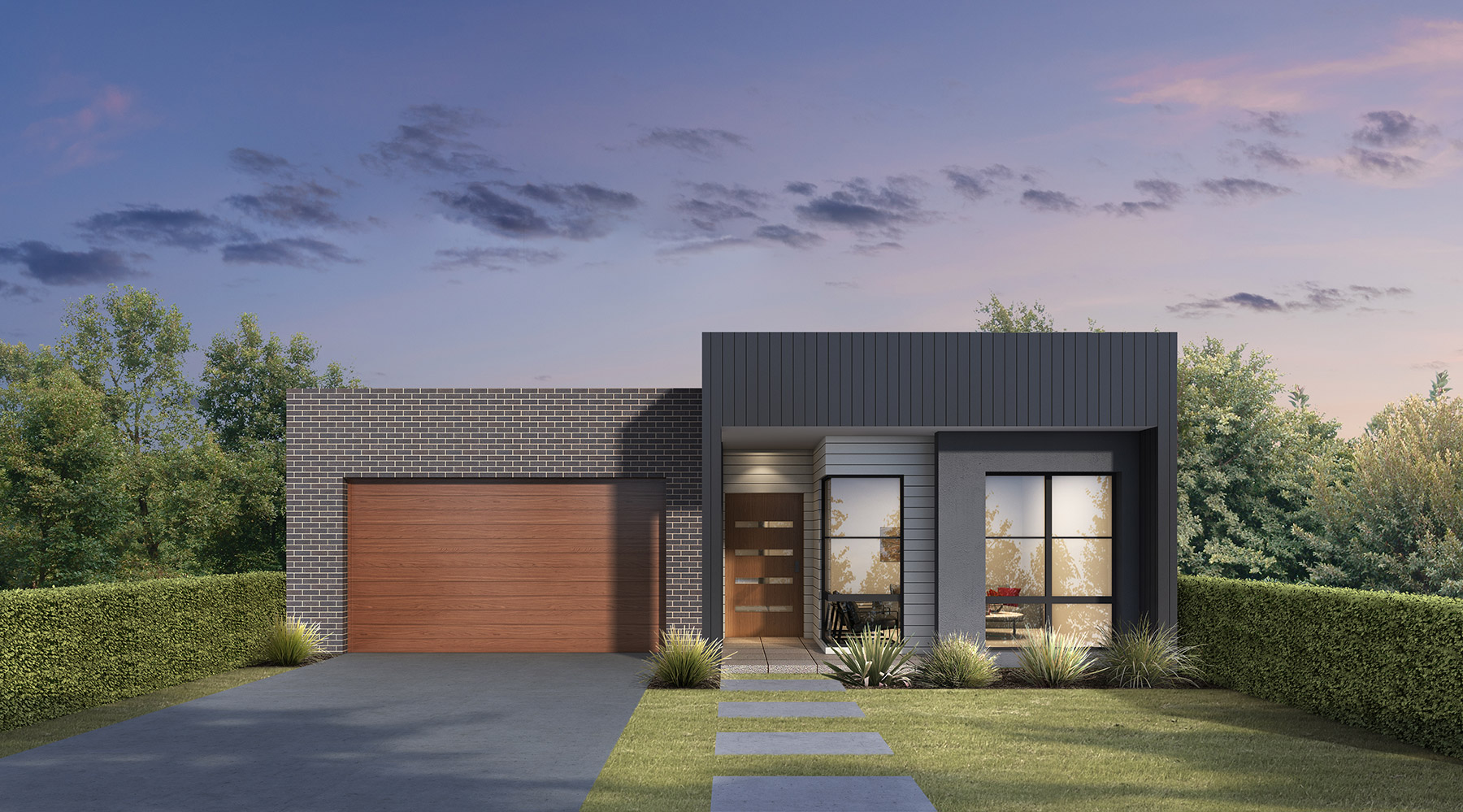
With the Valley Series you choose your exterior from a range of façades. This includes six stylish modern facades with clean lines, skillion roof and a large covered outdoor entertainment area for alfresco dining.
As a contrast, the five pitched roof front and rear facades offer an alternative for the home builder seeking something more traditional such as the Hamptons look. The Hamptons district of Long Island in the US is a popular destination for wealthy New Yorkers, and the source of inspiration for this popular style. Hamptons is all about indoor-outdoor living with large windows showering the home in light. To capture the classic Hamptons style choose a front and rear façade with a pitched roof veranda and weatherboard effect. Paint the fascia and timber posts white to complete the look. It’s a timeless style that comes across as effortless and calming.
If you’re a house builder based in the heritage surrounds of Maitland or the Hunter Valley the pitched roof can also suits a heritage themed home. Of course, not every regional home wants to go colonial and so the modern design with a skillion roof is a great alternative.
Mix and match
You’d like a heritage front with a contemporary rear façade? No problem! It’s possible to combine the best of both designs with Valley Homes new Valley Series range. With many Newcastle suburbs undergoing character studies, there’s a greater demand for designs to be more in keeping with the predominant architectural style. The beauty of the Valley Series modular design means you can select a traditional front façade, a floor plan that suits your family and team it with one of our more contemporary alfresco designs.
It’s about what works for you
The Valley Series makes it easy to create a unique home design to match your lifestyle. By selecting your chosen floorplan with any of our front and rear façade options you can have a stunning, architecturally inspired home at an affordable price.

Plan options
The Classic
The Compact
The Connoisseur
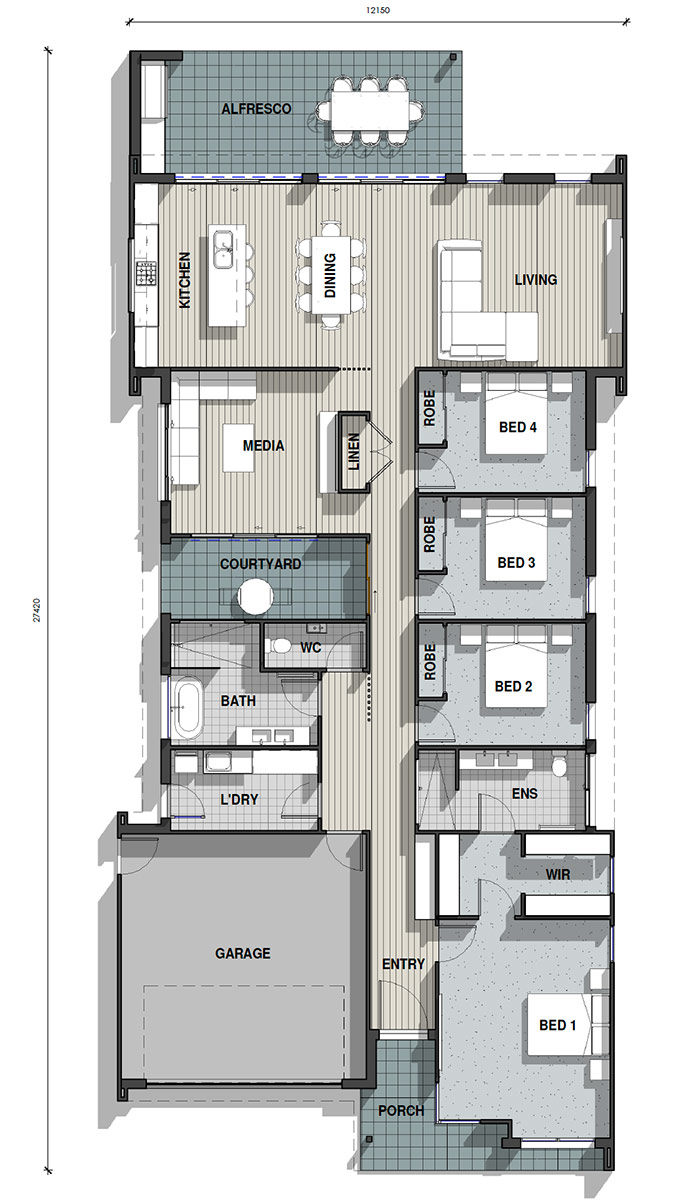
The Entertainer
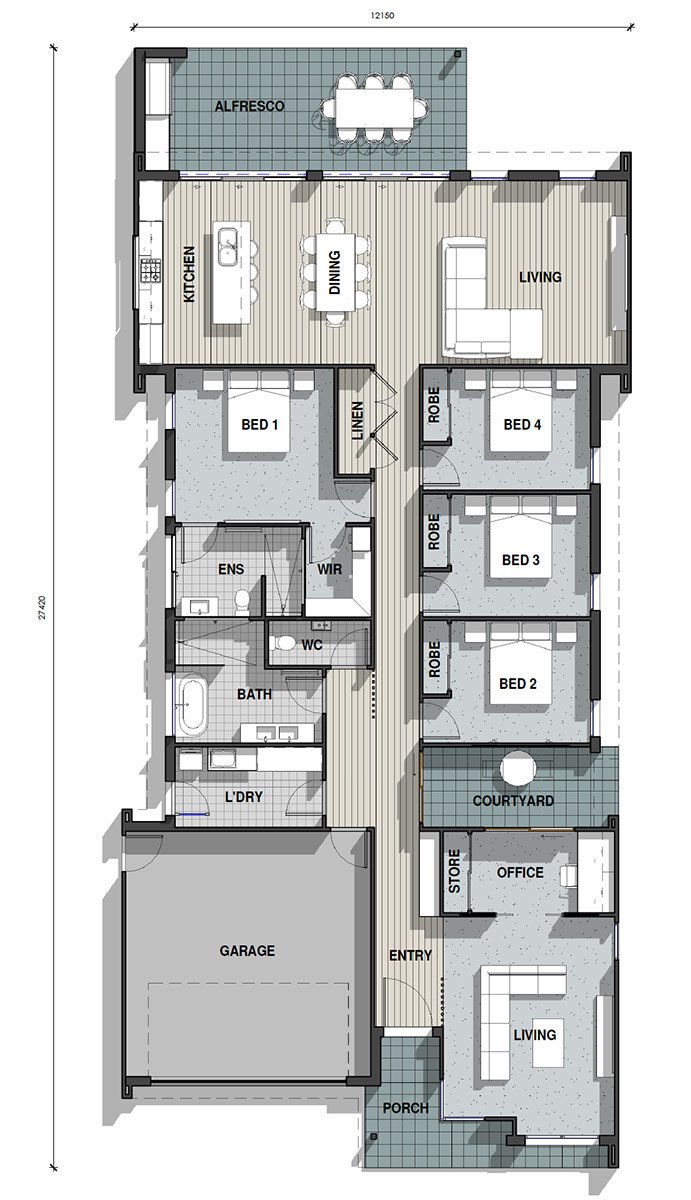
The Executive
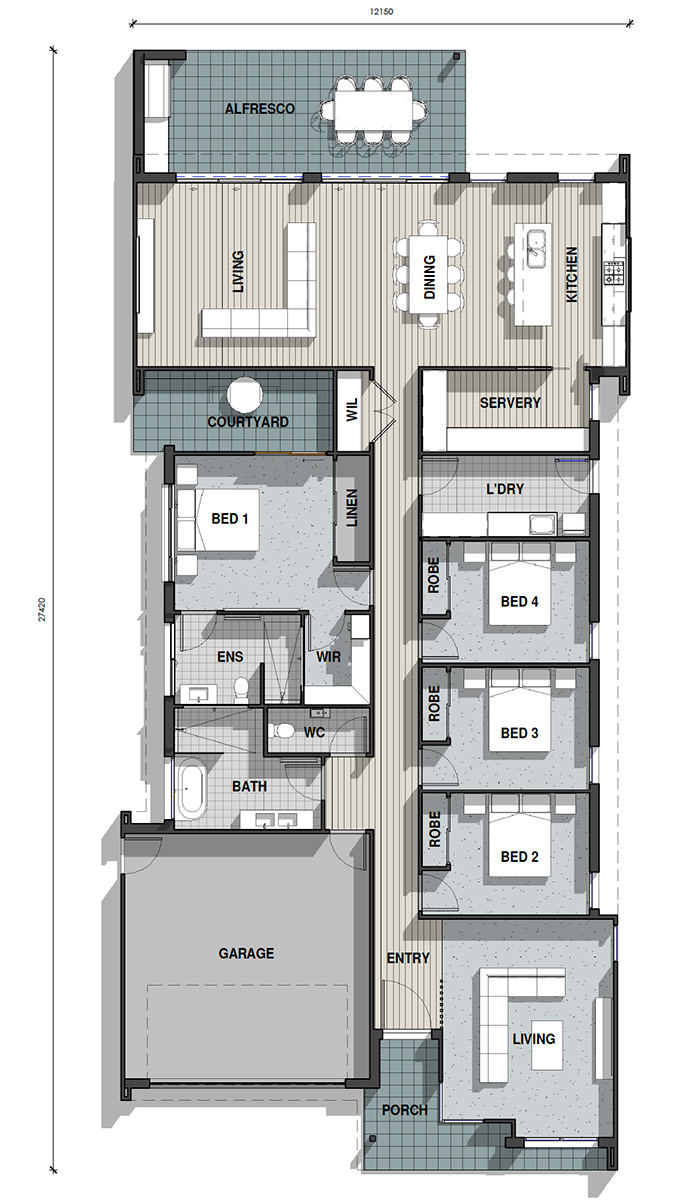
The Sanctuary
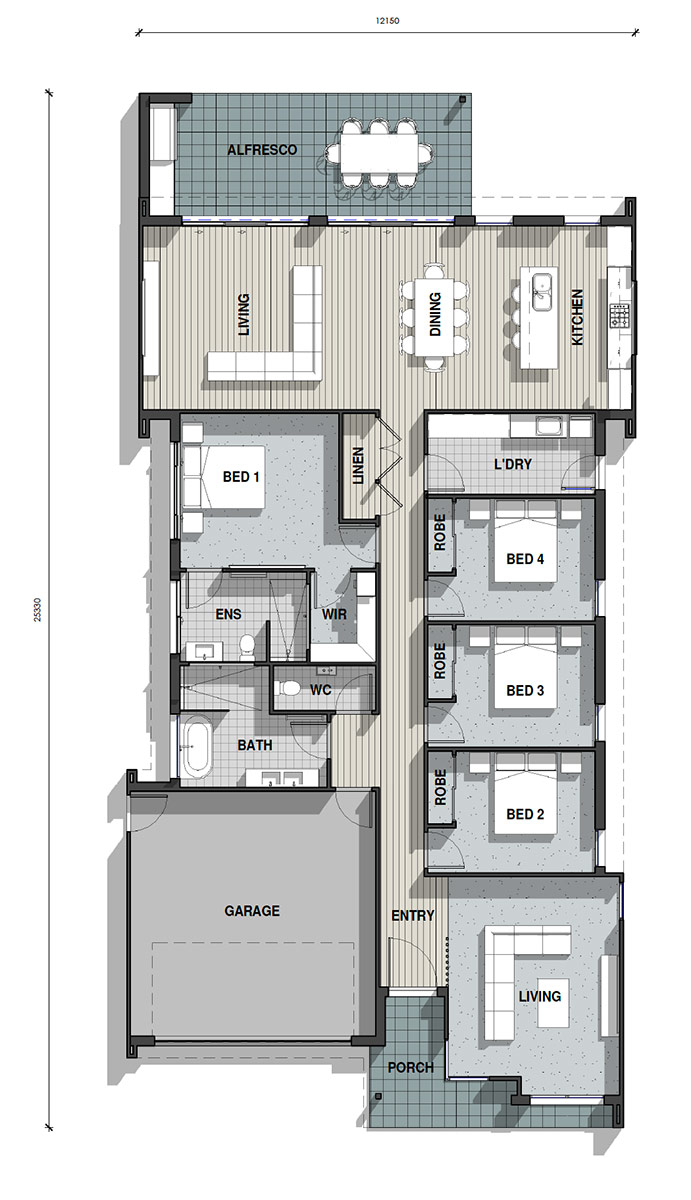
The Classic
The original floorplan in this modular series, The Classic provides all the essentials. As the name suggests – its a classic! At just under 270m2 this four bedroom home offers architectural passive design principles.
The Entertainer
Perhaps you and your family are big screen fans? The Entertainer is a design that offers everything you could want including a separate media room opening out to a private courtyard, a spacious open plan kitchen, dining and living area that spills out to an outdoor entertaining space with custom outdoor kitchen.
The Connoisseur
Fancy yourself as the next Masterchef? The Connoisseur is perfect for you! It’s the kitchen lover’s delight in this modular series. This design offers a large kitchen servery, an abundance of bench space and custom cabinetry to suit your culinary needs. The design also includes the courtyard module as an extension to the separate living room – offering a second outdoor entertaining space to share your culinary creations.
The Sanctuary
If a parents’ retreat is a top priority in your new home then look no further than The Sanctuary. This design is the luxury lover’s choice within this modular series. Like the Connoisseur, this design offers a large kitchen servery and an abundance of bench space plus a private courtyard off the master suite. A sophisticated layout that offers you a place to relax and unwind.
The Executive
When working from home has become the norm, The Executive design offers a home office with private courtyard, contributing to a better work/life balance.
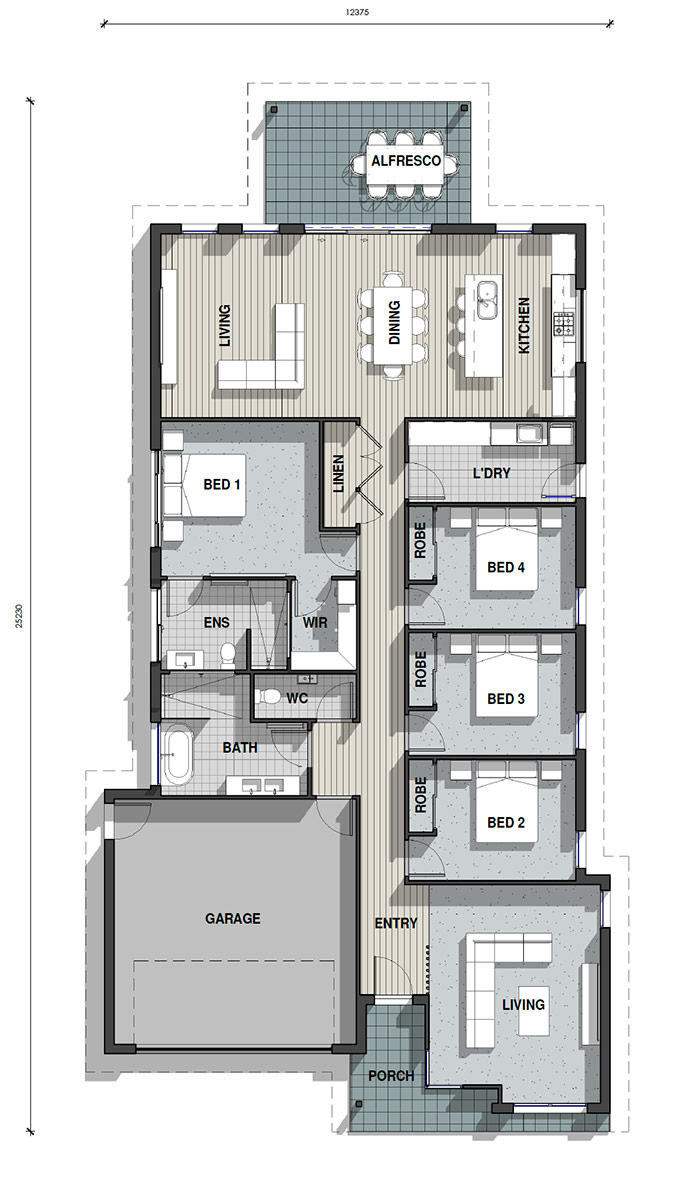
The Compact
The baby in this modular series and a great fit for first home buyers or investors. At just over 250m2 The Compact four bedroom home offers architectural passive design principles on a reduced scale to work on small blocks.
Quality and Affordable Innovation for all
Great design is a priority for Valley Homes but we appreciate that the cost to build a new home should be at a price that meets every budget. That’s why all our house plans and pricing have great appeal.
While the new Valley Series brings added flexibility to design, there’s no compromise on quality. After 50 years in the business, Valley Homes still promises excellent service and craftsmanship with every build. Speak with us about our house plans and pricing and let us help build a new home unique to you!
Plan options in the Valley Series
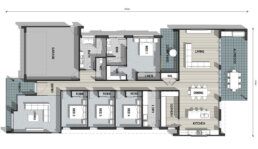
Pricing for our new designs is available on application.
If you already have land please call our sales team on 02 4044 1765 to discuss your project.